
Home buyers
Dec 12, 2025
Home buyers
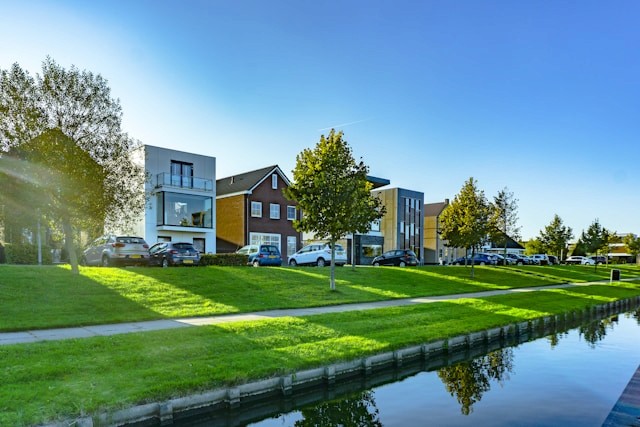
Understanding rental yield trends for smarter real estate investment decisions in Bangalore Photo by:
Bangalore is one of India’s most exciting property markets. With rapid growth in IT, startups, and infrastructure, demand for homes continues to soar. But for the average family, owning a home comes with tough barriers: high prices, large down payments, and long-term EMIs.
That’s where Lease-to-Own (also called Rent-to-Own) comes in. It offers the flexibility of renting while steadily building equity in your dream home. For families who want to live in Bangalore now without waiting years to save for a down payment, lease-to-own homes are becoming the more practical choice.
This guide explains how Lease-to-Own works, why it’s especially relevant in Bangalore, and how Owne makes the process structured and transparent.
Lease-to-Own is an agreement where you rent a property, but part of your monthly payments goes toward eventually buying it.
You sign a lease agreement with a purchase option.
You pay an initial entry fee or smaller down payment.
You pay rent plus ownership contributions each month.
After a few years, you can exercise the option to buy; your contributions reduce the final price.
It’s like renting, but every month you’re also building a stake in the home.
A 2BHK in Whitefield or Electronic City often costs ₹70–90 lakh.
3BHKs in Sarjapur or HSR Layout go beyond ₹1 crore.
Saving ₹20–30 lakh for a down payment can take years.
A ₹60 lakh loan at 9 percent leads to an EMI of around ₹54,000 per month, often 40–50 percent of income.
Bangalore rents are rising 8–10 percent annually. Lease-to-own helps families build ownership while staying in their preferred locality.
Professionals want homes near tech hubs but hesitate to commit to lifelong EMIs. Lease-to-own offers flexibility with stability.
Property Price: ₹80,00,000
Traditional Path:
₹20 lakh down + ₹60 lakh loan
EMI ₹54,000/month for 20 years (₹1.3 crore total)
Rent Path:
₹25,000/month for 20 years (₹1.15 crore, no asset)
Lease-to-Own Path:
₹5 lakh entry fee
₹25,000 rent + ₹15,000 ownership contribution/month
After 5 years:
Rent paid = ₹15 lakh
Contributions = ₹9 lakh (deducted from final price)
Balance arranged later (loan or investor buyout)
You live in your home from the beginning while building ownership gradually.
Upfront Cost
• Renting: Security deposit only
• Buying with Loan: 20–30% down payment
• Lease-to-Own (Owne): Small entry fee
Monthly Payments
• Renting: Rent only
• Buying with Loan: Heavy EMIs
• Lease-to-Own (Owne): Rent + ownership contributions
Asset Ownership
• Renting: None
• Buying with Loan: Full ownership after years of EMIs
• Lease-to-Own (Owne): Gradual ownership built over time
Flexibility
• Renting: High
• Buying with Loan: Low
• Lease-to-Own (Owne): Medium–High
Long-Term Wealth
• Renting: Zero
• Buying with Loan: High
• Lease-to-Own (Owne): High without EMI burden
Move in faster without waiting years to save for a down payment.
Balanced monthly payments instead of heavy EMIs.
Ownership contributions accumulate and reduce final price.
Live in the home before fully committing.
Option to buy, not an obligation.
Unregistered contracts
Unclear contribution terms and exit rules
One-sided clauses that cause financial loss
Informal deals often lack legal protection
Platforms like Owne solve these issues with regulated, transparent agreements.
Registered agreements under Indian property laws
Tri-party contracts between buyer, seller, and investor
Transparent contribution structure
Fair exit provisions
Buyer-friendly monthly payments and lower upfront cost
Ravi and Sneha, working in Whitefield, wanted a 2BHK worth ₹85 lakh.
Bank Loan Route:
₹20 lakh down, ₹65 lakh loan → ₹58,000 EMI per month.
They lacked ₹20 lakh savings.
Renting:
₹28,000/month, no ownership.
Owne Lease-to-Own:
₹5 lakh entry fee
₹28,000 rent + ₹17,000 contribution = ₹45,000/month
After 5 years → ₹10 lakh equity built with the option to buy.
They moved in immediately, stayed liquid, and avoided EMI pressure.
1. Is Lease-to-Own legal in Bangalore?
Yes. Agreements are registered and legally enforceable.
2. Do I still pay stamp duty?
Yes, during final transfer. Stamp Duty Calculator can estimate exact costs.
3. What if I want to exit?
Owne’s agreements include structured exit provisions with reasonable terms.
4. How is this different from renting?
A portion of your monthly payment builds ownership instead of going entirely to rent.
5. Can NRIs use Lease-to-Own in Bangalore?
Yes. Many NRIs prefer it to secure a home now and complete purchase later.
In Bangalore’s highly competitive housing market, Lease-to-Own offers a modern, practical solution. Instead of waiting years to save for a down payment or committing to heavy EMIs, families can move into their chosen home now and buy gradually.
Owne makes this possible with transparent contracts, fair terms, and a buyer-first model. It isn’t renting. It isn’t a high-pressure EMI loan. It’s a structured, step-by-step path to homeownership.
Start exploring Lease-to-Own properties in Bangalore and move into your dream home smarter, faster, and safer.
Related Articles
Subscribe to Owne-Newsletter
Stay updated on the latest happenings in the Indian Real estate Whether it’s residential, commercial, property investment, tech, or finance, we deliver it in a flash straight to your inbox.
We don't spam, promised. Only two emails every month, you can
opt out anytime with just one click.
Subscribe to Owne-Newsletter
Stay updated on the latest happenings in the Indian Real estate Whether it’s residential, commercial, property investment, tech, or finance, we deliver it in a flash straight to your inbox.
We don't spam, promised. Only two emails every month, you can
opt out anytime with just one click.
Subscribe to Owne-Newsletter
Stay updated on the latest happenings in the Indian Real estate Whether it’s residential, commercial, property investment, tech, or finance, we deliver it in a flash straight to your inbox.
We don't spam, promised. Only two emails every month, you can
opt out anytime with just one click.
Home buyers
Understanding rental yield trends for smarter real estate investment decisions in Bangalore Photo by:
Bangalore is one of India’s most exciting property markets. With rapid growth in IT, startups, and infrastructure, demand for homes continues to soar. But for the average family, owning a home comes with tough barriers: high prices, large down payments, and long-term EMIs.
That’s where Lease-to-Own (also called Rent-to-Own) comes in. It offers the flexibility of renting while steadily building equity in your dream home. For families who want to live in Bangalore now without waiting years to save for a down payment, lease-to-own homes are becoming the more practical choice.
This guide explains how Lease-to-Own works, why it’s especially relevant in Bangalore, and how Owne makes the process structured and transparent.
Lease-to-Own is an agreement where you rent a property, but part of your monthly payments goes toward eventually buying it.
You sign a lease agreement with a purchase option.
You pay an initial entry fee or smaller down payment.
You pay rent plus ownership contributions each month.
After a few years, you can exercise the option to buy; your contributions reduce the final price.
It’s like renting, but every month you’re also building a stake in the home.
A 2BHK in Whitefield or Electronic City often costs ₹70–90 lakh.
3BHKs in Sarjapur or HSR Layout go beyond ₹1 crore.
Saving ₹20–30 lakh for a down payment can take years.
A ₹60 lakh loan at 9 percent leads to an EMI of around ₹54,000 per month, often 40–50 percent of income.
Bangalore rents are rising 8–10 percent annually. Lease-to-own helps families build ownership while staying in their preferred locality.
Professionals want homes near tech hubs but hesitate to commit to lifelong EMIs. Lease-to-own offers flexibility with stability.
Property Price: ₹80,00,000
Traditional Path:
₹20 lakh down + ₹60 lakh loan
EMI ₹54,000/month for 20 years (₹1.3 crore total)
Rent Path:
₹25,000/month for 20 years (₹1.15 crore, no asset)
Lease-to-Own Path:
₹5 lakh entry fee
₹25,000 rent + ₹15,000 ownership contribution/month
After 5 years:
Rent paid = ₹15 lakh
Contributions = ₹9 lakh (deducted from final price)
Balance arranged later (loan or investor buyout)
You live in your home from the beginning while building ownership gradually.
Upfront Cost
• Renting: Security deposit only
• Buying with Loan: 20–30% down payment
• Lease-to-Own (Owne): Small entry fee
Monthly Payments
• Renting: Rent only
• Buying with Loan: Heavy EMIs
• Lease-to-Own (Owne): Rent + ownership contributions
Asset Ownership
• Renting: None
• Buying with Loan: Full ownership after years of EMIs
• Lease-to-Own (Owne): Gradual ownership built over time
Flexibility
• Renting: High
• Buying with Loan: Low
• Lease-to-Own (Owne): Medium–High
Long-Term Wealth
• Renting: Zero
• Buying with Loan: High
• Lease-to-Own (Owne): High without EMI burden
Move in faster without waiting years to save for a down payment.
Balanced monthly payments instead of heavy EMIs.
Ownership contributions accumulate and reduce final price.
Live in the home before fully committing.
Option to buy, not an obligation.
Unregistered contracts
Unclear contribution terms and exit rules
One-sided clauses that cause financial loss
Informal deals often lack legal protection
Platforms like Owne solve these issues with regulated, transparent agreements.
Registered agreements under Indian property laws
Tri-party contracts between buyer, seller, and investor
Transparent contribution structure
Fair exit provisions
Buyer-friendly monthly payments and lower upfront cost
Ravi and Sneha, working in Whitefield, wanted a 2BHK worth ₹85 lakh.
Bank Loan Route:
₹20 lakh down, ₹65 lakh loan → ₹58,000 EMI per month.
They lacked ₹20 lakh savings.
Renting:
₹28,000/month, no ownership.
Owne Lease-to-Own:
₹5 lakh entry fee
₹28,000 rent + ₹17,000 contribution = ₹45,000/month
After 5 years → ₹10 lakh equity built with the option to buy.
They moved in immediately, stayed liquid, and avoided EMI pressure.
1. Is Lease-to-Own legal in Bangalore?
Yes. Agreements are registered and legally enforceable.
2. Do I still pay stamp duty?
Yes, during final transfer. Stamp Duty Calculator can estimate exact costs.
3. What if I want to exit?
Owne’s agreements include structured exit provisions with reasonable terms.
4. How is this different from renting?
A portion of your monthly payment builds ownership instead of going entirely to rent.
5. Can NRIs use Lease-to-Own in Bangalore?
Yes. Many NRIs prefer it to secure a home now and complete purchase later.
In Bangalore’s highly competitive housing market, Lease-to-Own offers a modern, practical solution. Instead of waiting years to save for a down payment or committing to heavy EMIs, families can move into their chosen home now and buy gradually.
Owne makes this possible with transparent contracts, fair terms, and a buyer-first model. It isn’t renting. It isn’t a high-pressure EMI loan. It’s a structured, step-by-step path to homeownership.
Start exploring Lease-to-Own properties in Bangalore and move into your dream home smarter, faster, and safer.
Related Articles

Podcast
Dive into our Top 5 selection of the best podcasts, featuring everything from latest tech to trending tunes. Press the play button now!

Tech Tomorrow
Stay ahead of the curve with the latest advancements in technology. From AI breakthroughs to the future of space exploration, each episode delves into cutting-edge innovations and what they mean for our world. Whether you’re a tech enthusiast or just curious, this podcast brings you tomorrow’s tech, today.
Culture Connect
Explore the rich tapestry of global cultures in this podcast that takes you on a journey across continents. Each episode features in-depth interviews with cultural experts, artists, and anthropologists, shedding light on the traditions, languages, and art forms that define communities worldwide.

The Green Voices
Tune into the most pressing environmental issues of our time. From climate change to conservation efforts, this podcast features conversations with activists, scientists, and policymakers who are at the forefront of the environmental movement. Learn what you can do to make a difference.
Home buyers
Understanding rental yield trends for smarter real estate investment decisions in Bangalore Photo by:
Bangalore is one of India’s most exciting property markets. With rapid growth in IT, startups, and infrastructure, demand for homes continues to soar. But for the average family, owning a home comes with tough barriers: high prices, large down payments, and long-term EMIs.
That’s where Lease-to-Own (also called Rent-to-Own) comes in. It offers the flexibility of renting while steadily building equity in your dream home. For families who want to live in Bangalore now without waiting years to save for a down payment, lease-to-own homes are becoming the more practical choice.
This guide explains how Lease-to-Own works, why it’s especially relevant in Bangalore, and how Owne makes the process structured and transparent.
Lease-to-Own is an agreement where you rent a property, but part of your monthly payments goes toward eventually buying it.
You sign a lease agreement with a purchase option.
You pay an initial entry fee or smaller down payment.
You pay rent plus ownership contributions each month.
After a few years, you can exercise the option to buy; your contributions reduce the final price.
It’s like renting, but every month you’re also building a stake in the home.
A 2BHK in Whitefield or Electronic City often costs ₹70–90 lakh.
3BHKs in Sarjapur or HSR Layout go beyond ₹1 crore.
Saving ₹20–30 lakh for a down payment can take years.
A ₹60 lakh loan at 9 percent leads to an EMI of around ₹54,000 per month, often 40–50 percent of income.
Bangalore rents are rising 8–10 percent annually. Lease-to-own helps families build ownership while staying in their preferred locality.
Professionals want homes near tech hubs but hesitate to commit to lifelong EMIs. Lease-to-own offers flexibility with stability.
Property Price: ₹80,00,000
Traditional Path:
₹20 lakh down + ₹60 lakh loan
EMI ₹54,000/month for 20 years (₹1.3 crore total)
Rent Path:
₹25,000/month for 20 years (₹1.15 crore, no asset)
Lease-to-Own Path:
₹5 lakh entry fee
₹25,000 rent + ₹15,000 ownership contribution/month
After 5 years:
Rent paid = ₹15 lakh
Contributions = ₹9 lakh (deducted from final price)
Balance arranged later (loan or investor buyout)
You live in your home from the beginning while building ownership gradually.
Upfront Cost
• Renting: Security deposit only
• Buying with Loan: 20–30% down payment
• Lease-to-Own (Owne): Small entry fee
Monthly Payments
• Renting: Rent only
• Buying with Loan: Heavy EMIs
• Lease-to-Own (Owne): Rent + ownership contributions
Asset Ownership
• Renting: None
• Buying with Loan: Full ownership after years of EMIs
• Lease-to-Own (Owne): Gradual ownership built over time
Flexibility
• Renting: High
• Buying with Loan: Low
• Lease-to-Own (Owne): Medium–High
Long-Term Wealth
• Renting: Zero
• Buying with Loan: High
• Lease-to-Own (Owne): High without EMI burden
Move in faster without waiting years to save for a down payment.
Balanced monthly payments instead of heavy EMIs.
Ownership contributions accumulate and reduce final price.
Live in the home before fully committing.
Option to buy, not an obligation.
Unregistered contracts
Unclear contribution terms and exit rules
One-sided clauses that cause financial loss
Informal deals often lack legal protection
Platforms like Owne solve these issues with regulated, transparent agreements.
Registered agreements under Indian property laws
Tri-party contracts between buyer, seller, and investor
Transparent contribution structure
Fair exit provisions
Buyer-friendly monthly payments and lower upfront cost
Ravi and Sneha, working in Whitefield, wanted a 2BHK worth ₹85 lakh.
Bank Loan Route:
₹20 lakh down, ₹65 lakh loan → ₹58,000 EMI per month.
They lacked ₹20 lakh savings.
Renting:
₹28,000/month, no ownership.
Owne Lease-to-Own:
₹5 lakh entry fee
₹28,000 rent + ₹17,000 contribution = ₹45,000/month
After 5 years → ₹10 lakh equity built with the option to buy.
They moved in immediately, stayed liquid, and avoided EMI pressure.
1. Is Lease-to-Own legal in Bangalore?
Yes. Agreements are registered and legally enforceable.
2. Do I still pay stamp duty?
Yes, during final transfer. Stamp Duty Calculator can estimate exact costs.
3. What if I want to exit?
Owne’s agreements include structured exit provisions with reasonable terms.
4. How is this different from renting?
A portion of your monthly payment builds ownership instead of going entirely to rent.
5. Can NRIs use Lease-to-Own in Bangalore?
Yes. Many NRIs prefer it to secure a home now and complete purchase later.
In Bangalore’s highly competitive housing market, Lease-to-Own offers a modern, practical solution. Instead of waiting years to save for a down payment or committing to heavy EMIs, families can move into their chosen home now and buy gradually.
Owne makes this possible with transparent contracts, fair terms, and a buyer-first model. It isn’t renting. It isn’t a high-pressure EMI loan. It’s a structured, step-by-step path to homeownership.
Start exploring Lease-to-Own properties in Bangalore and move into your dream home smarter, faster, and safer.
Related Articles
Podcast
Dive into our Top 5 selection of the best podcasts, featuring everything from latest tech to trending tunes. Press the play button now!
Tech Tomorrow
Stay ahead of the curve with the latest advancements in technology. From AI breakthroughs to the future of space exploration, each episode delves into cutting-edge innovations and what they mean for our world. Whether you’re a tech enthusiast or just curious, this podcast brings you tomorrow’s tech, today.
Culture Connect
Explore the rich tapestry of global cultures in this podcast that takes you on a journey across continents. Each episode features in-depth interviews with cultural experts, artists, and anthropologists, shedding light on the traditions, languages, and art forms that define communities worldwide.
The Green Voices
Tune into the most pressing environmental issues of our time. From climate change to conservation efforts, this podcast features conversations with activists, scientists, and policymakers who are at the forefront of the environmental movement. Learn what you can do to make a difference.