
Home buyers
Dec 3, 2025
Home buyers

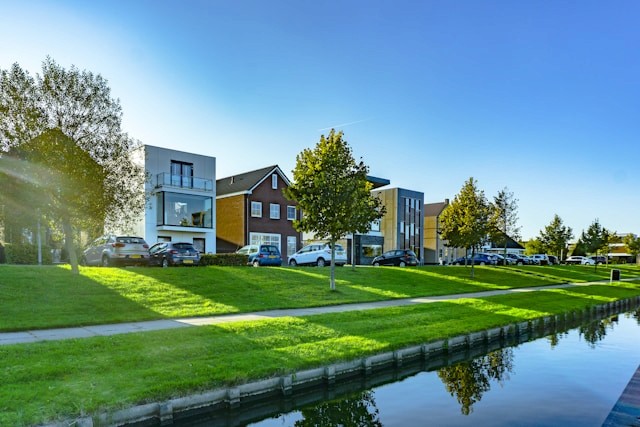
Understanding rental yield trends for smarter real estate investment decisions in Bangalore Photo by:
Bangalore has long been one of India’s safest and most rewarding property markets. With its strong IT industry, international connectivity, and rapid infrastructure expansion, the city attracts both domestic and NRI investors.
But every investment comes with both advantages and risks. In 2025, investors need to balance opportunity with caution — and explore smarter models that reduce downside.
This guide explains the key pros and cons of investing in Bangalore real estate in 2025, and how Owne helps buyers, sellers, and investors navigate risk safely.
Bangalore’s economy is built on global IT: Infosys, Wipro, TCS, SAP, Oracle, Accenture, and thousands of startups.
High migrant inflow keeps rental demand steady across Whitefield, ORR, Sarjapur, and Hebbal.
Investors benefit from stable occupancy and predictable rental income.
Ongoing projects include:
Metro expansions (Purple, Green, Yellow, Airport Line)
PRR and STRR
Airport connectivity and expressways
Improving connectivity drives long-term appreciation, especially in North Bangalore and Sarjapur.
Karnataka RERA enforces:
Project registration
Escrow accounts
Timeline disclosures
Standardized carpet area rules
This makes Bangalore far safer than the pre-2017 era of delays and misinformation.
Affordable: Electronic City (₹50–80 lakh)
Mid-range: Whitefield, Yelahanka (₹80 lakh–₹1.2 crore)
Premium: Indiranagar, Hebbal, JP Nagar (₹2–5 crore)
Bangalore offers a realistic entry point for every investor type.
NRIs prefer Bangalore due to:
Direct global flights
High rental demand
Developer credibility
Airport corridor growth
North Bangalore, Sarjapur, and Whitefield are especially popular among NRI buyers.
Stamp duty + registration fees (~7.6%) increase total entry costs.
Traditional buying also requires 20–25% down payment.
Many investors get priced out of premium areas.
Owne Advantage: Smaller entry requirement (5–10 lakh) through structured investment and rent-to-own models.
Typical yields:
Residential → 2.5–3.5%
Commercial → 6–8% (but ₹1 crore+ investment needed)
Owne Advantage: Higher monthly inflows (8–10% blended yield) through structured buyer contributions.
Selling a property can take 6–12 months.
Urgent sales often force sellers into discounts or distress pricing.
Owne Advantage: Structured exits (5–7 years), pre-matched buyers and investors, and faster liquidity without discounts.
Issues such as missing OC/CC, unclear land titles, or encroachments are still common.
NRIs are especially vulnerable due to distance.
Owne Advantage: Only legally verified, RERA-compliant properties listed; full title checks are done beforehand.
If IT hiring slows, rental demand can soften.
Certain micro-markets may face oversupply.
Owne Advantage: Returns come from structured buyer payments + appreciation, reducing dependency on rental fluctuations.
₹1 crore loan @ 9% = ~₹90,000/month EMI
20–25 years of financial pressure
Risk of default during job loss or salary drop
Owne Advantage: Buyers avoid EMIs initially and build equity gradually; investors still earn consistent returns.
Investor capital available: ₹20 lakh
Traditional Approach
Requires an additional ₹90 lakh loan to buy a ₹1.1 crore flat
Rental yield ~3%
Liquidity only if property resells (months of waiting)
Owne Approach
₹20 lakh invested directly in a co-invested property
Buyer pays structured monthly contributions
Investor earns appreciation share + higher annual IRR
IRR typically 12–14%
Owne provides lower entry, higher returns, and safer exits.
Traditional Real Estate
High upfront cost (25–30% + duties)
Low rental yields (2–3.5%)
Low liquidity (6–12 months to exit)
High legal/title risk
EMI burden for buyers
IRR typically 8–10%
Owne Model
Smaller entry point (5–10%)
Higher monthly return potential (8–10%)
Structured exits in 5–7 years
Pre-verified legal checks
No EMI stress for buyers
IRR targeted at 12–15%
Owne retains the upside of real estate while reducing the downsides.
1. Is Bangalore still a good investment in 2025?
Yes. Despite higher entry costs, Bangalore remains one of India’s strongest long-term markets due to IT-driven demand and infrastructure expansion.
2. Which is better for investors — residential or commercial?
Commercial offers higher yields but needs larger capital. Residential co-investment via Owne balances affordability and returns.
3. Do NRIs pay extra charges?
No difference in stamp duty. Only TDS rules differ during resale. Owne simplifies the process through escrow and PoA support.
4. How does Owne reduce liquidity risk?
Exits are structured, with matched demand and predefined windows.
5. Does Owne guarantee returns?
No. But the model reduces downside with structured contracts and diversified inflows.
Bangalore remains one of India’s most promising real estate markets in 2025 — driven by infrastructure, IT demand, and steady appreciation.
However, traditional investing comes with challenges: high entry costs, low yields, legal risks, illiquidity, and EMI pressure.
Owne solves these challenges by offering:
Lower entry cost for buyers and investors
Higher blended monthly returns
RERA-verified, legally safe properties
Structured exits
NRI-friendly, escrow-backed transactions
Owne allows investors and buyers to unlock the benefits of Bangalore real estate—without suffering the traditional drawbacks.
Use Owne’s ROI, Yield, and Rent-to-Own calculators to evaluate your investment options before committing.
Subscribe to Owne-News Room
Stay updated on the latest happenings in the Indian Real estate Whether it’s Residential, Commercial, Property Investment, tech or finance, we deliver it in a flash—straight to your inbox.
We don't spam, promised. Only two emails every month, you can
opt out anytime with just one click.
Subscribe to NewsFlash
Stay updated on the latest happenings in the U.S. Whether it’s business, politics, fashion, tech or finance, we deliver it in a flash—straight to your inbox.
We don't spam, promised. Only two emails every month, you can
opt out anytime with just one click.
Copyright
© 2025
All Rights Reserved
Made with
using Framer
Subscribe to NewsFlash
Stay updated on the latest happenings in the U.S. Whether it’s business, politics, fashion, tech or finance, we deliver it in a flash—straight to your inbox.
We don't spam, promised. Only two emails every month, you can
opt out anytime with just one click.
Copyright
© 2025
All Rights Reserved
Made with
using Framer
Home buyers
Home buyers
Understanding rental yield trends for smarter real estate investment decisions in Bangalore Photo by:
Bangalore has long been one of India’s safest and most rewarding property markets. With its strong IT industry, international connectivity, and rapid infrastructure expansion, the city attracts both domestic and NRI investors.
But every investment comes with both advantages and risks. In 2025, investors need to balance opportunity with caution — and explore smarter models that reduce downside.
This guide explains the key pros and cons of investing in Bangalore real estate in 2025, and how Owne helps buyers, sellers, and investors navigate risk safely.
Bangalore’s economy is built on global IT: Infosys, Wipro, TCS, SAP, Oracle, Accenture, and thousands of startups.
High migrant inflow keeps rental demand steady across Whitefield, ORR, Sarjapur, and Hebbal.
Investors benefit from stable occupancy and predictable rental income.
Ongoing projects include:
Metro expansions (Purple, Green, Yellow, Airport Line)
PRR and STRR
Airport connectivity and expressways
Improving connectivity drives long-term appreciation, especially in North Bangalore and Sarjapur.
Karnataka RERA enforces:
Project registration
Escrow accounts
Timeline disclosures
Standardized carpet area rules
This makes Bangalore far safer than the pre-2017 era of delays and misinformation.
Affordable: Electronic City (₹50–80 lakh)
Mid-range: Whitefield, Yelahanka (₹80 lakh–₹1.2 crore)
Premium: Indiranagar, Hebbal, JP Nagar (₹2–5 crore)
Bangalore offers a realistic entry point for every investor type.
NRIs prefer Bangalore due to:
Direct global flights
High rental demand
Developer credibility
Airport corridor growth
North Bangalore, Sarjapur, and Whitefield are especially popular among NRI buyers.
Stamp duty + registration fees (~7.6%) increase total entry costs.
Traditional buying also requires 20–25% down payment.
Many investors get priced out of premium areas.
Owne Advantage: Smaller entry requirement (5–10 lakh) through structured investment and rent-to-own models.
Typical yields:
Residential → 2.5–3.5%
Commercial → 6–8% (but ₹1 crore+ investment needed)
Owne Advantage: Higher monthly inflows (8–10% blended yield) through structured buyer contributions.
Selling a property can take 6–12 months.
Urgent sales often force sellers into discounts or distress pricing.
Owne Advantage: Structured exits (5–7 years), pre-matched buyers and investors, and faster liquidity without discounts.
Issues such as missing OC/CC, unclear land titles, or encroachments are still common.
NRIs are especially vulnerable due to distance.
Owne Advantage: Only legally verified, RERA-compliant properties listed; full title checks are done beforehand.
If IT hiring slows, rental demand can soften.
Certain micro-markets may face oversupply.
Owne Advantage: Returns come from structured buyer payments + appreciation, reducing dependency on rental fluctuations.
₹1 crore loan @ 9% = ~₹90,000/month EMI
20–25 years of financial pressure
Risk of default during job loss or salary drop
Owne Advantage: Buyers avoid EMIs initially and build equity gradually; investors still earn consistent returns.
Investor capital available: ₹20 lakh
Traditional Approach
Requires an additional ₹90 lakh loan to buy a ₹1.1 crore flat
Rental yield ~3%
Liquidity only if property resells (months of waiting)
Owne Approach
₹20 lakh invested directly in a co-invested property
Buyer pays structured monthly contributions
Investor earns appreciation share + higher annual IRR
IRR typically 12–14%
Owne provides lower entry, higher returns, and safer exits.
Traditional Real Estate
High upfront cost (25–30% + duties)
Low rental yields (2–3.5%)
Low liquidity (6–12 months to exit)
High legal/title risk
EMI burden for buyers
IRR typically 8–10%
Owne Model
Smaller entry point (5–10%)
Higher monthly return potential (8–10%)
Structured exits in 5–7 years
Pre-verified legal checks
No EMI stress for buyers
IRR targeted at 12–15%
Owne retains the upside of real estate while reducing the downsides.
1. Is Bangalore still a good investment in 2025?
Yes. Despite higher entry costs, Bangalore remains one of India’s strongest long-term markets due to IT-driven demand and infrastructure expansion.
2. Which is better for investors — residential or commercial?
Commercial offers higher yields but needs larger capital. Residential co-investment via Owne balances affordability and returns.
3. Do NRIs pay extra charges?
No difference in stamp duty. Only TDS rules differ during resale. Owne simplifies the process through escrow and PoA support.
4. How does Owne reduce liquidity risk?
Exits are structured, with matched demand and predefined windows.
5. Does Owne guarantee returns?
No. But the model reduces downside with structured contracts and diversified inflows.
Bangalore remains one of India’s most promising real estate markets in 2025 — driven by infrastructure, IT demand, and steady appreciation.
However, traditional investing comes with challenges: high entry costs, low yields, legal risks, illiquidity, and EMI pressure.
Owne solves these challenges by offering:
Lower entry cost for buyers and investors
Higher blended monthly returns
RERA-verified, legally safe properties
Structured exits
NRI-friendly, escrow-backed transactions
Owne allows investors and buyers to unlock the benefits of Bangalore real estate—without suffering the traditional drawbacks.
Use Owne’s ROI, Yield, and Rent-to-Own calculators to evaluate your investment options before committing.
Related Articles
Related Articles

Podcast
Dive into our Top 5 selection of the best podcasts, featuring everything from latest tech to trending tunes. Press the play button now!

Tech Tomorrow
Stay ahead of the curve with the latest advancements in technology. From AI breakthroughs to the future of space exploration, each episode delves into cutting-edge innovations and what they mean for our world. Whether you’re a tech enthusiast or just curious, this podcast brings you tomorrow’s tech, today.

Culture Connect
Explore the rich tapestry of global cultures in this podcast that takes you on a journey across continents. Each episode features in-depth interviews with cultural experts, artists, and anthropologists, shedding light on the traditions, languages, and art forms that define communities worldwide.

The Green Voices
Tune into the most pressing environmental issues of our time. From climate change to conservation efforts, this podcast features conversations with activists, scientists, and policymakers who are at the forefront of the environmental movement. Learn what you can do to make a difference.
Home buyers
Home buyers
Understanding rental yield trends for smarter real estate investment decisions in Bangalore Photo by:
Bangalore has long been one of India’s safest and most rewarding property markets. With its strong IT industry, international connectivity, and rapid infrastructure expansion, the city attracts both domestic and NRI investors.
But every investment comes with both advantages and risks. In 2025, investors need to balance opportunity with caution — and explore smarter models that reduce downside.
This guide explains the key pros and cons of investing in Bangalore real estate in 2025, and how Owne helps buyers, sellers, and investors navigate risk safely.
Bangalore’s economy is built on global IT: Infosys, Wipro, TCS, SAP, Oracle, Accenture, and thousands of startups.
High migrant inflow keeps rental demand steady across Whitefield, ORR, Sarjapur, and Hebbal.
Investors benefit from stable occupancy and predictable rental income.
Ongoing projects include:
Metro expansions (Purple, Green, Yellow, Airport Line)
PRR and STRR
Airport connectivity and expressways
Improving connectivity drives long-term appreciation, especially in North Bangalore and Sarjapur.
Karnataka RERA enforces:
Project registration
Escrow accounts
Timeline disclosures
Standardized carpet area rules
This makes Bangalore far safer than the pre-2017 era of delays and misinformation.
Affordable: Electronic City (₹50–80 lakh)
Mid-range: Whitefield, Yelahanka (₹80 lakh–₹1.2 crore)
Premium: Indiranagar, Hebbal, JP Nagar (₹2–5 crore)
Bangalore offers a realistic entry point for every investor type.
NRIs prefer Bangalore due to:
Direct global flights
High rental demand
Developer credibility
Airport corridor growth
North Bangalore, Sarjapur, and Whitefield are especially popular among NRI buyers.
Stamp duty + registration fees (~7.6%) increase total entry costs.
Traditional buying also requires 20–25% down payment.
Many investors get priced out of premium areas.
Owne Advantage: Smaller entry requirement (5–10 lakh) through structured investment and rent-to-own models.
Typical yields:
Residential → 2.5–3.5%
Commercial → 6–8% (but ₹1 crore+ investment needed)
Owne Advantage: Higher monthly inflows (8–10% blended yield) through structured buyer contributions.
Selling a property can take 6–12 months.
Urgent sales often force sellers into discounts or distress pricing.
Owne Advantage: Structured exits (5–7 years), pre-matched buyers and investors, and faster liquidity without discounts.
Issues such as missing OC/CC, unclear land titles, or encroachments are still common.
NRIs are especially vulnerable due to distance.
Owne Advantage: Only legally verified, RERA-compliant properties listed; full title checks are done beforehand.
If IT hiring slows, rental demand can soften.
Certain micro-markets may face oversupply.
Owne Advantage: Returns come from structured buyer payments + appreciation, reducing dependency on rental fluctuations.
₹1 crore loan @ 9% = ~₹90,000/month EMI
20–25 years of financial pressure
Risk of default during job loss or salary drop
Owne Advantage: Buyers avoid EMIs initially and build equity gradually; investors still earn consistent returns.
Investor capital available: ₹20 lakh
Traditional Approach
Requires an additional ₹90 lakh loan to buy a ₹1.1 crore flat
Rental yield ~3%
Liquidity only if property resells (months of waiting)
Owne Approach
₹20 lakh invested directly in a co-invested property
Buyer pays structured monthly contributions
Investor earns appreciation share + higher annual IRR
IRR typically 12–14%
Owne provides lower entry, higher returns, and safer exits.
Traditional Real Estate
High upfront cost (25–30% + duties)
Low rental yields (2–3.5%)
Low liquidity (6–12 months to exit)
High legal/title risk
EMI burden for buyers
IRR typically 8–10%
Owne Model
Smaller entry point (5–10%)
Higher monthly return potential (8–10%)
Structured exits in 5–7 years
Pre-verified legal checks
No EMI stress for buyers
IRR targeted at 12–15%
Owne retains the upside of real estate while reducing the downsides.
1. Is Bangalore still a good investment in 2025?
Yes. Despite higher entry costs, Bangalore remains one of India’s strongest long-term markets due to IT-driven demand and infrastructure expansion.
2. Which is better for investors — residential or commercial?
Commercial offers higher yields but needs larger capital. Residential co-investment via Owne balances affordability and returns.
3. Do NRIs pay extra charges?
No difference in stamp duty. Only TDS rules differ during resale. Owne simplifies the process through escrow and PoA support.
4. How does Owne reduce liquidity risk?
Exits are structured, with matched demand and predefined windows.
5. Does Owne guarantee returns?
No. But the model reduces downside with structured contracts and diversified inflows.
Bangalore remains one of India’s most promising real estate markets in 2025 — driven by infrastructure, IT demand, and steady appreciation.
However, traditional investing comes with challenges: high entry costs, low yields, legal risks, illiquidity, and EMI pressure.
Owne solves these challenges by offering:
Lower entry cost for buyers and investors
Higher blended monthly returns
RERA-verified, legally safe properties
Structured exits
NRI-friendly, escrow-backed transactions
Owne allows investors and buyers to unlock the benefits of Bangalore real estate—without suffering the traditional drawbacks.
Use Owne’s ROI, Yield, and Rent-to-Own calculators to evaluate your investment options before committing.
Related Articles
Related Articles
Podcast
Dive into our Top 5 selection of the best podcasts, featuring everything from latest tech to trending tunes. Press the play button now!
Tech Tomorrow
Stay ahead of the curve with the latest advancements in technology. From AI breakthroughs to the future of space exploration, each episode delves into cutting-edge innovations and what they mean for our world. Whether you’re a tech enthusiast or just curious, this podcast brings you tomorrow’s tech, today.
Culture Connect
Explore the rich tapestry of global cultures in this podcast that takes you on a journey across continents. Each episode features in-depth interviews with cultural experts, artists, and anthropologists, shedding light on the traditions, languages, and art forms that define communities worldwide.
The Green Voices
Tune into the most pressing environmental issues of our time. From climate change to conservation efforts, this podcast features conversations with activists, scientists, and policymakers who are at the forefront of the environmental movement. Learn what you can do to make a difference.