
Home buyers
Dec 3, 2025
Home buyers

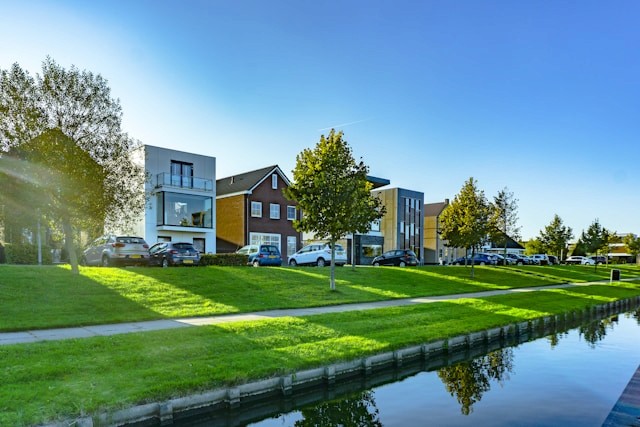
Understanding rental yield trends for smarter real estate investment decisions in Bangalore Photo by:
Investing in property is one of the most common ways Indians build long-term wealth. Whether you're buying your first home or exploring real estate investment in India, ROI is one of the most important metrics to evaluate performance. It tells you whether a property investment—residential, commercial, or part of a broader investment strategy in Bangalore—is actually profitable.
This guide explains how to calculate ROI for Indian real estate, the factors that influence it, real examples, and how Owne’s ROI Calculator helps investors assess returns more accurately.
Return on Investment (ROI) measures how much profit you earn relative to your total investment.
Formula:
ROI (%) = (Net Profit ÷ Total Investment) × 100
ROI indicates how effectively your money is working over time.
Purchase price: ₹80 lakh
Sale price after 5 years: ₹1 crore
Profit: ₹20 lakh
ROI = (20 ÷ 80) × 100 = 25%
This shows overall gain, but does not reflect annual returns or monthly cash flow.
ROI based on annual rental income.
Example: Rent = ₹3.6 lakh/year; property value = ₹1 crore → ROI = 3.6%
ROI based on increase in property value.
Rental ROI + Appreciation ROI.
This gives a more complete picture of property performance.
• Does not account for the time value of money
• Ignores expenses such as taxes, repairs, and maintenance
• May overstate returns for long holding periods
This is why many investors also use IRR, but simple ROI is still helpful for quick comparisons.
• Residential rental ROI: 2–4%
• Total residential returns with appreciation: 8–10% IRR
• Commercial rental yield: 6–9%
• REITs: 6–8%
• Co-living/student housing: 5–7%
In Bangalore, average residential ROI is roughly 8% when rental and appreciation are combined.
• Location and connectivity
• Property type (commercial generally yields more rent)
• Holding period and market cycles
• Loan interest costs
• Vacancy rates
• Taxation and transaction costs
• Ignoring maintenance and taxes
• Overestimating achievable rent
• Forgetting transaction costs like stamp duty and registration
• Not comparing ROI with other financial instruments such as REITs, FDs, and equity
When financing is used, ROI calculations should consider cash actually invested.
ROI = (Rental Income – EMI – Expenses + Appreciation) ÷ Down Payment × 100
ROI becomes based on your initial cash investment, not the entire property value.
This often increases ROI because leverage amplifies returns—but it also increases risk.
Property price: ₹80 lakh
Down payment: ₹20 lakh
Loan EMI: ₹50,000/month
Rent: ₹25,000/month
5-year appreciation: ₹20 lakh
ROI = [(Rent Income + Appreciation – Expenses) ÷ Down Payment] × 100
= [(₹15 lakh + ₹20 lakh – ₹3 lakh) ÷ 20 lakh] × 100
= 160% total (~32% per year before tax)
Leverage dramatically increases ROI but must be approached carefully.
A 2BHK in Whitefield is purchased for ₹90 lakh.
Rent: ₹30,000/month → ₹3.6 lakh per year
Appreciation in 5 years: ₹20 lakh
Total ROI = (3.6 × 5 + 20) ÷ 90 = 44% total
Annual ROI ≈ 8.8%
This is competitive compared to fixed deposits (~6%) and REITs (~7%).
Owne integrates ROI insights into the investor journey through:
• A real-estate-specific ROI Calculator
• Side-by-side comparison of scenarios
• Benchmarking across cities and projects
• Co-investment structures that improve ROI
Owne’s model often produces higher ROI due to monthly buyer contributions + appreciation sharing.
Investor contribution: ₹20 lakh
Annual inflow from buyer contributions: ₹2.16 lakh
Appreciation share after 6 years: ₹10 lakh
Total return: ₹12.9 lakh
ROI = (12.9 ÷ 20) × 100 = 64.5% total (~10.7% per year)
This is significantly higher than traditional residential ROI due to structured payouts and transparent exit terms.
1. What is a good ROI in Indian real estate?
Above 8–10% annualized, including appreciation.
2. Which provides better ROI—residential or commercial?
Commercial generally yields higher rental ROI, while residential provides stability and appreciation.
3. Does Owne guarantee returns?
No. Returns are market-driven, but contracts help structure and reduce risk.
4. Should ROI be compared with other investments?
Yes. ROI should always be evaluated against FDs, REITs, stocks, and other assets.
5. How is ROI different from IRR?
ROI shows simple gain; IRR reflects annualized returns considering timing of cash flows.
ROI is one of the most important tools for evaluating property performance. While basic ROI offers a quick understanding of profitability, accurate assessment must include expenses, financing costs, and appreciation.
Owne simplifies this process by offering:
• A clear ROI calculator
• Comparisons across asset types
• A co-investment model with stronger return potential
Before investing in property, use Owne’s ROI Calculator to evaluate whether the deal truly outperforms other investment options.
Subscribe to Owne-News Room
Stay updated on the latest happenings in the Indian Real estate Whether it’s Residential, Commercial, Property Investment, tech or finance, we deliver it in a flash—straight to your inbox.
We don't spam, promised. Only two emails every month, you can
opt out anytime with just one click.
Subscribe to NewsFlash
Stay updated on the latest happenings in the U.S. Whether it’s business, politics, fashion, tech or finance, we deliver it in a flash—straight to your inbox.
We don't spam, promised. Only two emails every month, you can
opt out anytime with just one click.
Copyright
© 2025
All Rights Reserved
Made with
using Framer
Subscribe to NewsFlash
Stay updated on the latest happenings in the U.S. Whether it’s business, politics, fashion, tech or finance, we deliver it in a flash—straight to your inbox.
We don't spam, promised. Only two emails every month, you can
opt out anytime with just one click.
Copyright
© 2025
All Rights Reserved
Made with
using Framer
Home buyers
Home buyers
Understanding rental yield trends for smarter real estate investment decisions in Bangalore Photo by:
Investing in property is one of the most common ways Indians build long-term wealth. Whether you're buying your first home or exploring real estate investment in India, ROI is one of the most important metrics to evaluate performance. It tells you whether a property investment—residential, commercial, or part of a broader investment strategy in Bangalore—is actually profitable.
This guide explains how to calculate ROI for Indian real estate, the factors that influence it, real examples, and how Owne’s ROI Calculator helps investors assess returns more accurately.
Return on Investment (ROI) measures how much profit you earn relative to your total investment.
Formula:
ROI (%) = (Net Profit ÷ Total Investment) × 100
ROI indicates how effectively your money is working over time.
Purchase price: ₹80 lakh
Sale price after 5 years: ₹1 crore
Profit: ₹20 lakh
ROI = (20 ÷ 80) × 100 = 25%
This shows overall gain, but does not reflect annual returns or monthly cash flow.
ROI based on annual rental income.
Example: Rent = ₹3.6 lakh/year; property value = ₹1 crore → ROI = 3.6%
ROI based on increase in property value.
Rental ROI + Appreciation ROI.
This gives a more complete picture of property performance.
• Does not account for the time value of money
• Ignores expenses such as taxes, repairs, and maintenance
• May overstate returns for long holding periods
This is why many investors also use IRR, but simple ROI is still helpful for quick comparisons.
• Residential rental ROI: 2–4%
• Total residential returns with appreciation: 8–10% IRR
• Commercial rental yield: 6–9%
• REITs: 6–8%
• Co-living/student housing: 5–7%
In Bangalore, average residential ROI is roughly 8% when rental and appreciation are combined.
• Location and connectivity
• Property type (commercial generally yields more rent)
• Holding period and market cycles
• Loan interest costs
• Vacancy rates
• Taxation and transaction costs
• Ignoring maintenance and taxes
• Overestimating achievable rent
• Forgetting transaction costs like stamp duty and registration
• Not comparing ROI with other financial instruments such as REITs, FDs, and equity
When financing is used, ROI calculations should consider cash actually invested.
ROI = (Rental Income – EMI – Expenses + Appreciation) ÷ Down Payment × 100
ROI becomes based on your initial cash investment, not the entire property value.
This often increases ROI because leverage amplifies returns—but it also increases risk.
Property price: ₹80 lakh
Down payment: ₹20 lakh
Loan EMI: ₹50,000/month
Rent: ₹25,000/month
5-year appreciation: ₹20 lakh
ROI = [(Rent Income + Appreciation – Expenses) ÷ Down Payment] × 100
= [(₹15 lakh + ₹20 lakh – ₹3 lakh) ÷ 20 lakh] × 100
= 160% total (~32% per year before tax)
Leverage dramatically increases ROI but must be approached carefully.
A 2BHK in Whitefield is purchased for ₹90 lakh.
Rent: ₹30,000/month → ₹3.6 lakh per year
Appreciation in 5 years: ₹20 lakh
Total ROI = (3.6 × 5 + 20) ÷ 90 = 44% total
Annual ROI ≈ 8.8%
This is competitive compared to fixed deposits (~6%) and REITs (~7%).
Owne integrates ROI insights into the investor journey through:
• A real-estate-specific ROI Calculator
• Side-by-side comparison of scenarios
• Benchmarking across cities and projects
• Co-investment structures that improve ROI
Owne’s model often produces higher ROI due to monthly buyer contributions + appreciation sharing.
Investor contribution: ₹20 lakh
Annual inflow from buyer contributions: ₹2.16 lakh
Appreciation share after 6 years: ₹10 lakh
Total return: ₹12.9 lakh
ROI = (12.9 ÷ 20) × 100 = 64.5% total (~10.7% per year)
This is significantly higher than traditional residential ROI due to structured payouts and transparent exit terms.
1. What is a good ROI in Indian real estate?
Above 8–10% annualized, including appreciation.
2. Which provides better ROI—residential or commercial?
Commercial generally yields higher rental ROI, while residential provides stability and appreciation.
3. Does Owne guarantee returns?
No. Returns are market-driven, but contracts help structure and reduce risk.
4. Should ROI be compared with other investments?
Yes. ROI should always be evaluated against FDs, REITs, stocks, and other assets.
5. How is ROI different from IRR?
ROI shows simple gain; IRR reflects annualized returns considering timing of cash flows.
ROI is one of the most important tools for evaluating property performance. While basic ROI offers a quick understanding of profitability, accurate assessment must include expenses, financing costs, and appreciation.
Owne simplifies this process by offering:
• A clear ROI calculator
• Comparisons across asset types
• A co-investment model with stronger return potential
Before investing in property, use Owne’s ROI Calculator to evaluate whether the deal truly outperforms other investment options.
Related Articles
Related Articles

Podcast
Dive into our Top 5 selection of the best podcasts, featuring everything from latest tech to trending tunes. Press the play button now!

Tech Tomorrow
Stay ahead of the curve with the latest advancements in technology. From AI breakthroughs to the future of space exploration, each episode delves into cutting-edge innovations and what they mean for our world. Whether you’re a tech enthusiast or just curious, this podcast brings you tomorrow’s tech, today.

Culture Connect
Explore the rich tapestry of global cultures in this podcast that takes you on a journey across continents. Each episode features in-depth interviews with cultural experts, artists, and anthropologists, shedding light on the traditions, languages, and art forms that define communities worldwide.

The Green Voices
Tune into the most pressing environmental issues of our time. From climate change to conservation efforts, this podcast features conversations with activists, scientists, and policymakers who are at the forefront of the environmental movement. Learn what you can do to make a difference.
Home buyers
Home buyers
Understanding rental yield trends for smarter real estate investment decisions in Bangalore Photo by:
Investing in property is one of the most common ways Indians build long-term wealth. Whether you're buying your first home or exploring real estate investment in India, ROI is one of the most important metrics to evaluate performance. It tells you whether a property investment—residential, commercial, or part of a broader investment strategy in Bangalore—is actually profitable.
This guide explains how to calculate ROI for Indian real estate, the factors that influence it, real examples, and how Owne’s ROI Calculator helps investors assess returns more accurately.
Return on Investment (ROI) measures how much profit you earn relative to your total investment.
Formula:
ROI (%) = (Net Profit ÷ Total Investment) × 100
ROI indicates how effectively your money is working over time.
Purchase price: ₹80 lakh
Sale price after 5 years: ₹1 crore
Profit: ₹20 lakh
ROI = (20 ÷ 80) × 100 = 25%
This shows overall gain, but does not reflect annual returns or monthly cash flow.
ROI based on annual rental income.
Example: Rent = ₹3.6 lakh/year; property value = ₹1 crore → ROI = 3.6%
ROI based on increase in property value.
Rental ROI + Appreciation ROI.
This gives a more complete picture of property performance.
• Does not account for the time value of money
• Ignores expenses such as taxes, repairs, and maintenance
• May overstate returns for long holding periods
This is why many investors also use IRR, but simple ROI is still helpful for quick comparisons.
• Residential rental ROI: 2–4%
• Total residential returns with appreciation: 8–10% IRR
• Commercial rental yield: 6–9%
• REITs: 6–8%
• Co-living/student housing: 5–7%
In Bangalore, average residential ROI is roughly 8% when rental and appreciation are combined.
• Location and connectivity
• Property type (commercial generally yields more rent)
• Holding period and market cycles
• Loan interest costs
• Vacancy rates
• Taxation and transaction costs
• Ignoring maintenance and taxes
• Overestimating achievable rent
• Forgetting transaction costs like stamp duty and registration
• Not comparing ROI with other financial instruments such as REITs, FDs, and equity
When financing is used, ROI calculations should consider cash actually invested.
ROI = (Rental Income – EMI – Expenses + Appreciation) ÷ Down Payment × 100
ROI becomes based on your initial cash investment, not the entire property value.
This often increases ROI because leverage amplifies returns—but it also increases risk.
Property price: ₹80 lakh
Down payment: ₹20 lakh
Loan EMI: ₹50,000/month
Rent: ₹25,000/month
5-year appreciation: ₹20 lakh
ROI = [(Rent Income + Appreciation – Expenses) ÷ Down Payment] × 100
= [(₹15 lakh + ₹20 lakh – ₹3 lakh) ÷ 20 lakh] × 100
= 160% total (~32% per year before tax)
Leverage dramatically increases ROI but must be approached carefully.
A 2BHK in Whitefield is purchased for ₹90 lakh.
Rent: ₹30,000/month → ₹3.6 lakh per year
Appreciation in 5 years: ₹20 lakh
Total ROI = (3.6 × 5 + 20) ÷ 90 = 44% total
Annual ROI ≈ 8.8%
This is competitive compared to fixed deposits (~6%) and REITs (~7%).
Owne integrates ROI insights into the investor journey through:
• A real-estate-specific ROI Calculator
• Side-by-side comparison of scenarios
• Benchmarking across cities and projects
• Co-investment structures that improve ROI
Owne’s model often produces higher ROI due to monthly buyer contributions + appreciation sharing.
Investor contribution: ₹20 lakh
Annual inflow from buyer contributions: ₹2.16 lakh
Appreciation share after 6 years: ₹10 lakh
Total return: ₹12.9 lakh
ROI = (12.9 ÷ 20) × 100 = 64.5% total (~10.7% per year)
This is significantly higher than traditional residential ROI due to structured payouts and transparent exit terms.
1. What is a good ROI in Indian real estate?
Above 8–10% annualized, including appreciation.
2. Which provides better ROI—residential or commercial?
Commercial generally yields higher rental ROI, while residential provides stability and appreciation.
3. Does Owne guarantee returns?
No. Returns are market-driven, but contracts help structure and reduce risk.
4. Should ROI be compared with other investments?
Yes. ROI should always be evaluated against FDs, REITs, stocks, and other assets.
5. How is ROI different from IRR?
ROI shows simple gain; IRR reflects annualized returns considering timing of cash flows.
ROI is one of the most important tools for evaluating property performance. While basic ROI offers a quick understanding of profitability, accurate assessment must include expenses, financing costs, and appreciation.
Owne simplifies this process by offering:
• A clear ROI calculator
• Comparisons across asset types
• A co-investment model with stronger return potential
Before investing in property, use Owne’s ROI Calculator to evaluate whether the deal truly outperforms other investment options.
Related Articles
Related Articles
Podcast
Dive into our Top 5 selection of the best podcasts, featuring everything from latest tech to trending tunes. Press the play button now!
Tech Tomorrow
Stay ahead of the curve with the latest advancements in technology. From AI breakthroughs to the future of space exploration, each episode delves into cutting-edge innovations and what they mean for our world. Whether you’re a tech enthusiast or just curious, this podcast brings you tomorrow’s tech, today.
Culture Connect
Explore the rich tapestry of global cultures in this podcast that takes you on a journey across continents. Each episode features in-depth interviews with cultural experts, artists, and anthropologists, shedding light on the traditions, languages, and art forms that define communities worldwide.
The Green Voices
Tune into the most pressing environmental issues of our time. From climate change to conservation efforts, this podcast features conversations with activists, scientists, and policymakers who are at the forefront of the environmental movement. Learn what you can do to make a difference.