
Home buyers
Dec 3, 2025
Home buyers

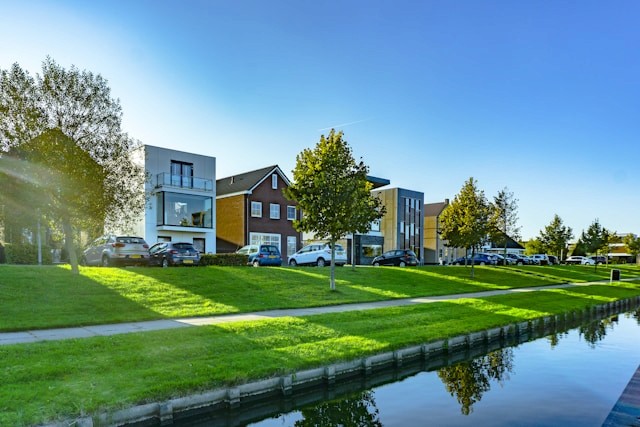
Understanding rental yield trends for smarter real estate investment decisions in Bangalore Photo by:
For decades, buying a house in India meant taking a home loan. But in 2025, with interest rates around 9% and property prices rising quickly, many buyers are now exploring alternatives. Some are even considering selling existing property or restructuring finances to manage down payments better.
This guide explains the most practical alternatives to home loans in India and how Owne’s rent-to-own model offers a flexible path to homeownership.
High EMI burden
A ₹1 crore loan at 9% results in an EMI of around ₹90,000 per month, often consuming half of a family’s income.
Heavy down payment requirement
Banks typically ask for 20–25% down payment plus 7–8% stamp duty and registration. For a ₹1 crore home, the upfront payment is around ₹27–30 lakh.
Loan eligibility issues
Self-employed buyers, freelancers, and NRIs face stricter checks. A low credit score often leads to rejections.
Long-term EMI pressure
Home loans usually run for 20–25 years, creating long-term financial stress and limiting flexibility.
Buyers use their accumulated savings to avoid EMIs.
Pros: No interest burden.
Cons: Delays purchase and reduces affordability as prices increase.
Parents or relatives contribute towards buying.
Pros: Little or no interest and flexible repayment.
Cons: Can create financial dependency.
Buyers borrow against their investments like mutual funds, LIC policies, or PF.
Pros: Usually lower interest than home loans.
Cons: Market-linked risks and potential loss of investment value.
Some employers offer subsidized housing or loan assistance.
Pros: Reduced interest rates.
Cons: Limited to certain companies and tied to employment.
A structured model where:
• You move into the home without a large down payment.
• Monthly payments are lower than EMIs.
• Each payment builds partial ownership.
• Exit is flexible and not as rigid as loan foreclosure.
• No dependency on credit score.
This makes Owne a strong option for first-time buyers, self-employed professionals, NRIs, and families who want to own without long-term EMI pressure.
Property: ₹80 lakh 2BHK in Bangalore
Bank loan
Upfront payment: ₹20 lakh+
Monthly outgo: ₹58,000 EMI
7-year result: ₹48 lakh paid; ownership continues only if long-term EMIs are maintained.
Renting
Upfront payment: ₹1 lakh deposit
Monthly outgo: ₹25,000 rent
7-year result: ₹21 lakh spent; no ownership at the end.
Owne
Upfront payment: ₹5 lakh
Monthly outgo: ₹35,000
7-year result: ~₹30 lakh paid; partial ownership built gradually.
Owne provides the balance—lower upfront cost, manageable monthly outgo, and gradual ownership.
• Young professionals with limited savings
• Self-employed buyers who face loan rejections
• NRIs who want flexibility
• Families tired of renting but cautious about long-term EMIs
• Buyers waiting for the right time but want to move into their home sooner
• High long-term interest outflow
• Financial vulnerability during job loss
• Costly prepayment penalties
• Long-term debt commitments affecting life goals
Lower initial payment
Buyers typically start with ₹5–10 lakh instead of 20–30%.
Affordable monthly payments
Monthly payments are 20–30% lower than EMIs.
Equity building
Each payment adds to your ownership.
Flexible exit options
Contracts define terms clearly, unlike banks.
Legally protected
Tri-party agreements and escrow ensure safe transactions.
1. Is rent-to-own legal in India?
Yes. Agreements are registered under Indian property laws and executed through tri-party contracts.
2. Can Owne fully replace a home loan?
For many buyers, yes. Others may still take a smaller loan at the final purchase stage.
3. Do I still pay stamp duty?
Yes, at final ownership transfer.
4. What if I need to exit mid-way?
Owne offers structured exit options without harsh penalties associated with bank foreclosures.
5. Do I get tax benefits like a home loan?
Tax benefits under Section 24(b) start after final ownership transfer.
Home loans are no longer the only way to buy a house in India. With rising EMIs, heavy down payments, and stricter eligibility norms, buyers now need alternatives that offer flexibility and affordability.
Owne provides:
• Lower upfront costs
• Lighter monthly payments
• Legally structured agreements
• Partial ownership from day one
• A smoother, safer path to becoming a homeowner
Use Owne’s Rent vs Buy Calculator to compare your options and see how quickly you can move into your dream home—without depending entirely on a bank loan.
Subscribe to Owne-News Room
Stay updated on the latest happenings in the Indian Real estate Whether it’s Residential, Commercial, Property Investment, tech or finance, we deliver it in a flash—straight to your inbox.
We don't spam, promised. Only two emails every month, you can
opt out anytime with just one click.
Subscribe to NewsFlash
Stay updated on the latest happenings in the U.S. Whether it’s business, politics, fashion, tech or finance, we deliver it in a flash—straight to your inbox.
We don't spam, promised. Only two emails every month, you can
opt out anytime with just one click.
Copyright
© 2025
All Rights Reserved
Made with
using Framer
Subscribe to NewsFlash
Stay updated on the latest happenings in the U.S. Whether it’s business, politics, fashion, tech or finance, we deliver it in a flash—straight to your inbox.
We don't spam, promised. Only two emails every month, you can
opt out anytime with just one click.
Copyright
© 2025
All Rights Reserved
Made with
using Framer
Home buyers
Home buyers
Understanding rental yield trends for smarter real estate investment decisions in Bangalore Photo by:
For decades, buying a house in India meant taking a home loan. But in 2025, with interest rates around 9% and property prices rising quickly, many buyers are now exploring alternatives. Some are even considering selling existing property or restructuring finances to manage down payments better.
This guide explains the most practical alternatives to home loans in India and how Owne’s rent-to-own model offers a flexible path to homeownership.
High EMI burden
A ₹1 crore loan at 9% results in an EMI of around ₹90,000 per month, often consuming half of a family’s income.
Heavy down payment requirement
Banks typically ask for 20–25% down payment plus 7–8% stamp duty and registration. For a ₹1 crore home, the upfront payment is around ₹27–30 lakh.
Loan eligibility issues
Self-employed buyers, freelancers, and NRIs face stricter checks. A low credit score often leads to rejections.
Long-term EMI pressure
Home loans usually run for 20–25 years, creating long-term financial stress and limiting flexibility.
Buyers use their accumulated savings to avoid EMIs.
Pros: No interest burden.
Cons: Delays purchase and reduces affordability as prices increase.
Parents or relatives contribute towards buying.
Pros: Little or no interest and flexible repayment.
Cons: Can create financial dependency.
Buyers borrow against their investments like mutual funds, LIC policies, or PF.
Pros: Usually lower interest than home loans.
Cons: Market-linked risks and potential loss of investment value.
Some employers offer subsidized housing or loan assistance.
Pros: Reduced interest rates.
Cons: Limited to certain companies and tied to employment.
A structured model where:
• You move into the home without a large down payment.
• Monthly payments are lower than EMIs.
• Each payment builds partial ownership.
• Exit is flexible and not as rigid as loan foreclosure.
• No dependency on credit score.
This makes Owne a strong option for first-time buyers, self-employed professionals, NRIs, and families who want to own without long-term EMI pressure.
Property: ₹80 lakh 2BHK in Bangalore
Bank loan
Upfront payment: ₹20 lakh+
Monthly outgo: ₹58,000 EMI
7-year result: ₹48 lakh paid; ownership continues only if long-term EMIs are maintained.
Renting
Upfront payment: ₹1 lakh deposit
Monthly outgo: ₹25,000 rent
7-year result: ₹21 lakh spent; no ownership at the end.
Owne
Upfront payment: ₹5 lakh
Monthly outgo: ₹35,000
7-year result: ~₹30 lakh paid; partial ownership built gradually.
Owne provides the balance—lower upfront cost, manageable monthly outgo, and gradual ownership.
• Young professionals with limited savings
• Self-employed buyers who face loan rejections
• NRIs who want flexibility
• Families tired of renting but cautious about long-term EMIs
• Buyers waiting for the right time but want to move into their home sooner
• High long-term interest outflow
• Financial vulnerability during job loss
• Costly prepayment penalties
• Long-term debt commitments affecting life goals
Lower initial payment
Buyers typically start with ₹5–10 lakh instead of 20–30%.
Affordable monthly payments
Monthly payments are 20–30% lower than EMIs.
Equity building
Each payment adds to your ownership.
Flexible exit options
Contracts define terms clearly, unlike banks.
Legally protected
Tri-party agreements and escrow ensure safe transactions.
1. Is rent-to-own legal in India?
Yes. Agreements are registered under Indian property laws and executed through tri-party contracts.
2. Can Owne fully replace a home loan?
For many buyers, yes. Others may still take a smaller loan at the final purchase stage.
3. Do I still pay stamp duty?
Yes, at final ownership transfer.
4. What if I need to exit mid-way?
Owne offers structured exit options without harsh penalties associated with bank foreclosures.
5. Do I get tax benefits like a home loan?
Tax benefits under Section 24(b) start after final ownership transfer.
Home loans are no longer the only way to buy a house in India. With rising EMIs, heavy down payments, and stricter eligibility norms, buyers now need alternatives that offer flexibility and affordability.
Owne provides:
• Lower upfront costs
• Lighter monthly payments
• Legally structured agreements
• Partial ownership from day one
• A smoother, safer path to becoming a homeowner
Use Owne’s Rent vs Buy Calculator to compare your options and see how quickly you can move into your dream home—without depending entirely on a bank loan.
Related Articles
Related Articles

Podcast
Dive into our Top 5 selection of the best podcasts, featuring everything from latest tech to trending tunes. Press the play button now!

Tech Tomorrow
Stay ahead of the curve with the latest advancements in technology. From AI breakthroughs to the future of space exploration, each episode delves into cutting-edge innovations and what they mean for our world. Whether you’re a tech enthusiast or just curious, this podcast brings you tomorrow’s tech, today.
Culture Connect
Explore the rich tapestry of global cultures in this podcast that takes you on a journey across continents. Each episode features in-depth interviews with cultural experts, artists, and anthropologists, shedding light on the traditions, languages, and art forms that define communities worldwide.

The Green Voices
Tune into the most pressing environmental issues of our time. From climate change to conservation efforts, this podcast features conversations with activists, scientists, and policymakers who are at the forefront of the environmental movement. Learn what you can do to make a difference.
Home buyers
Home buyers
Understanding rental yield trends for smarter real estate investment decisions in Bangalore Photo by:
For decades, buying a house in India meant taking a home loan. But in 2025, with interest rates around 9% and property prices rising quickly, many buyers are now exploring alternatives. Some are even considering selling existing property or restructuring finances to manage down payments better.
This guide explains the most practical alternatives to home loans in India and how Owne’s rent-to-own model offers a flexible path to homeownership.
High EMI burden
A ₹1 crore loan at 9% results in an EMI of around ₹90,000 per month, often consuming half of a family’s income.
Heavy down payment requirement
Banks typically ask for 20–25% down payment plus 7–8% stamp duty and registration. For a ₹1 crore home, the upfront payment is around ₹27–30 lakh.
Loan eligibility issues
Self-employed buyers, freelancers, and NRIs face stricter checks. A low credit score often leads to rejections.
Long-term EMI pressure
Home loans usually run for 20–25 years, creating long-term financial stress and limiting flexibility.
Buyers use their accumulated savings to avoid EMIs.
Pros: No interest burden.
Cons: Delays purchase and reduces affordability as prices increase.
Parents or relatives contribute towards buying.
Pros: Little or no interest and flexible repayment.
Cons: Can create financial dependency.
Buyers borrow against their investments like mutual funds, LIC policies, or PF.
Pros: Usually lower interest than home loans.
Cons: Market-linked risks and potential loss of investment value.
Some employers offer subsidized housing or loan assistance.
Pros: Reduced interest rates.
Cons: Limited to certain companies and tied to employment.
A structured model where:
• You move into the home without a large down payment.
• Monthly payments are lower than EMIs.
• Each payment builds partial ownership.
• Exit is flexible and not as rigid as loan foreclosure.
• No dependency on credit score.
This makes Owne a strong option for first-time buyers, self-employed professionals, NRIs, and families who want to own without long-term EMI pressure.
Property: ₹80 lakh 2BHK in Bangalore
Bank loan
Upfront payment: ₹20 lakh+
Monthly outgo: ₹58,000 EMI
7-year result: ₹48 lakh paid; ownership continues only if long-term EMIs are maintained.
Renting
Upfront payment: ₹1 lakh deposit
Monthly outgo: ₹25,000 rent
7-year result: ₹21 lakh spent; no ownership at the end.
Owne
Upfront payment: ₹5 lakh
Monthly outgo: ₹35,000
7-year result: ~₹30 lakh paid; partial ownership built gradually.
Owne provides the balance—lower upfront cost, manageable monthly outgo, and gradual ownership.
• Young professionals with limited savings
• Self-employed buyers who face loan rejections
• NRIs who want flexibility
• Families tired of renting but cautious about long-term EMIs
• Buyers waiting for the right time but want to move into their home sooner
• High long-term interest outflow
• Financial vulnerability during job loss
• Costly prepayment penalties
• Long-term debt commitments affecting life goals
Lower initial payment
Buyers typically start with ₹5–10 lakh instead of 20–30%.
Affordable monthly payments
Monthly payments are 20–30% lower than EMIs.
Equity building
Each payment adds to your ownership.
Flexible exit options
Contracts define terms clearly, unlike banks.
Legally protected
Tri-party agreements and escrow ensure safe transactions.
1. Is rent-to-own legal in India?
Yes. Agreements are registered under Indian property laws and executed through tri-party contracts.
2. Can Owne fully replace a home loan?
For many buyers, yes. Others may still take a smaller loan at the final purchase stage.
3. Do I still pay stamp duty?
Yes, at final ownership transfer.
4. What if I need to exit mid-way?
Owne offers structured exit options without harsh penalties associated with bank foreclosures.
5. Do I get tax benefits like a home loan?
Tax benefits under Section 24(b) start after final ownership transfer.
Home loans are no longer the only way to buy a house in India. With rising EMIs, heavy down payments, and stricter eligibility norms, buyers now need alternatives that offer flexibility and affordability.
Owne provides:
• Lower upfront costs
• Lighter monthly payments
• Legally structured agreements
• Partial ownership from day one
• A smoother, safer path to becoming a homeowner
Use Owne’s Rent vs Buy Calculator to compare your options and see how quickly you can move into your dream home—without depending entirely on a bank loan.
Related Articles
Related Articles
Podcast
Dive into our Top 5 selection of the best podcasts, featuring everything from latest tech to trending tunes. Press the play button now!
Tech Tomorrow
Stay ahead of the curve with the latest advancements in technology. From AI breakthroughs to the future of space exploration, each episode delves into cutting-edge innovations and what they mean for our world. Whether you’re a tech enthusiast or just curious, this podcast brings you tomorrow’s tech, today.
Culture Connect
Explore the rich tapestry of global cultures in this podcast that takes you on a journey across continents. Each episode features in-depth interviews with cultural experts, artists, and anthropologists, shedding light on the traditions, languages, and art forms that define communities worldwide.
The Green Voices
Tune into the most pressing environmental issues of our time. From climate change to conservation efforts, this podcast features conversations with activists, scientists, and policymakers who are at the forefront of the environmental movement. Learn what you can do to make a difference.